Understanding Mini Split AC Units
As the demand for efficient and versatile heating and cooling solutions continues to rise, mini split AC units have emerged as a popular choice among homeowners and businesses alike. These ductless systems not only provide effective climate control but also offer a range of benefits that outshine traditional air conditioning options. In this comprehensive guide, we will explore what mini split AC units are, their advantages, and how they work, offering valuable insights for anyone considering this innovative HVAC solution.
When exploring options, mini split ac unit systems can cater to varying cooling needs while enhancing energy efficiency.
What is a Mini Split AC Unit?
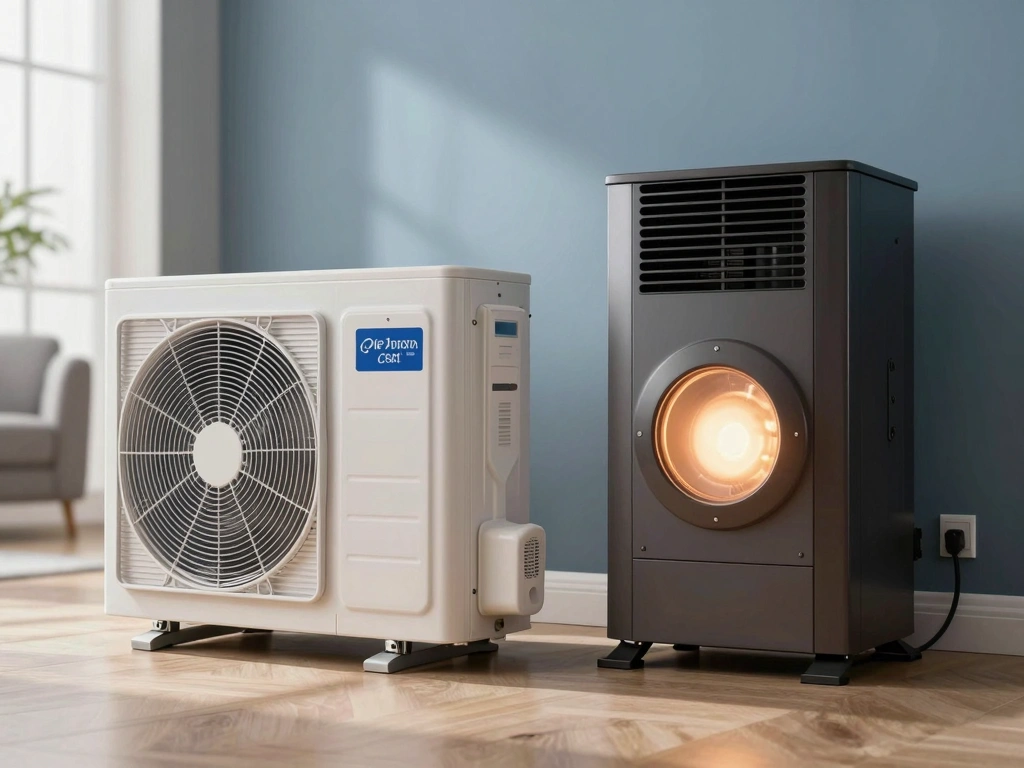
A mini split AC unit, often referred to as a ductless mini-split system, consists of two main components: an outdoor condenser and one or more indoor air handling units. Unlike traditional central air systems that rely on ductwork to distribute cooled air, mini splits provide targeted cooling directly to specific areas or rooms. This flexibility allows homeowners to enjoy customized comfort while minimizing energy waste.
Benefits of Mini Split Systems Over Traditional AC
Mini split systems offer numerous advantages compared to conventional heating and cooling systems:
- Energy Efficiency: Mini splits use inverter technology to adjust the compressor speed, which enhances efficiency and significantly reduces electricity costs.
- Flexible Installation: Since they do not require ductwork, mini splits can be installed in various configurations and locations, ideal for homes without existing ducts.
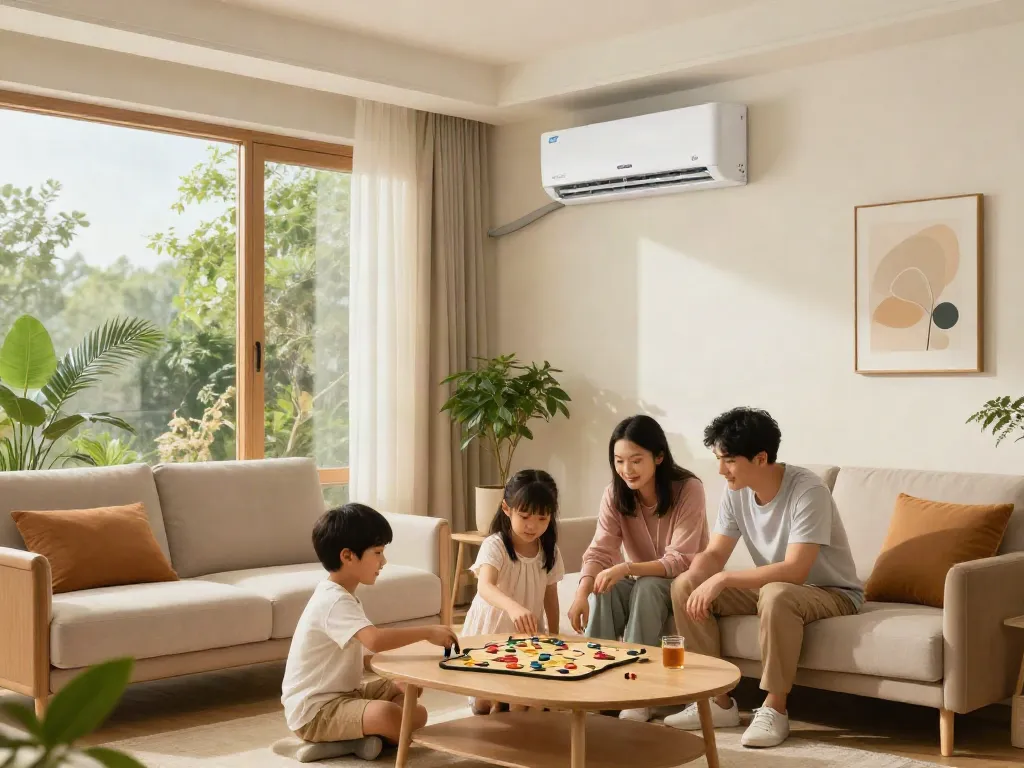
- Improved Comfort: These systems allow for zoning, meaning different rooms can be set to different temperatures, ensuring every space is comfortable.
- Quiet Operation: Mini split units operate quietly, making them suitable for bedrooms and office spaces without the disruptive noise of conventional systems.
How Mini Split Units Work: The Basics
Mini split AC units work by using a refrigeration cycle to transfer heat between the indoor and outdoor units. During the cooling process, refrigerant absorbs heat from the indoor air and releases it outside, while in heating mode, the process is reversed. This efficient method of temperature control makes mini splits an excellent choice for varying climates and applications.
Energy Efficiency and Cost Savings
One of the most compelling reasons to consider a mini split AC unit is its potential for energy savings and reduced utility bills. Understanding how these systems operate can help homeowners maximize their investment.
How Mini Split AC Units Lower Your Energy Bills
Mini splits typically use 20-30% less energy than traditional systems. Their inverter technology allows them to maintain temperature without constant on-off cycling, which can waste energy. By focusing on individual rooms rather than cooling an entire house at once, homeowners can further cut down on costs by cooling only occupied spaces.
Comparative Analysis: Mini Split vs. Central Air
When comparing mini split systems to central air conditioning, several factors come into play:
- Installation Costs: While central AC may have a lower initial installation cost if ducts are already present, mini splits may prove more cost-effective over time due to energy savings.
- Maintenance: Mini splits require less maintenance as they do not have ducts that can accumulate dust and debris that require regular cleaning.
- Space Requirements: Mini splits take up less space and provide more installation options, especially in homes without existing ducts.
Understanding BTUs and Sizing for Efficiency
BTU, or British Thermal Unit, is a measurement of heat energy, and it’s essential to size your mini split unit correctly according to the space it will cool. An undersized unit will struggle to maintain temperature, while an oversized unit will cycle on and off too frequently, leading to inefficiency. Use a BTU calculator to determine the appropriate capacity based on room size, insulation, and climate.
Installation and Maintenance
The installation and upkeep of mini split AC units play a crucial role in their performance and longevity. Here’s what you need to keep in mind.
DIY vs. Professional Installation: What You Need to Know
While some homeowners may consider a DIY installation to reduce costs, hiring a professional is often recommended. A trained technician ensures optimal placement, proper refrigerant levels, and compliance with local codes, which can prevent costly missteps during installation.
Essential Maintenance Tips for Longevity
To keep your mini split system running smoothly, regular maintenance is key. Here are some essential tips:
- Clean or replace filters monthly to maintain air quality and efficiency.
- Schedule annual check-ups with a professional to inspect coils, refrigerant levels, and electrical components.
- Keep the outdoor unit clear of debris to ensure unobstructed airflow.
Common Installation Mistakes to Avoid
Common pitfalls during installation can hinder performance. Avoid the following mistakes:
- Improperly sizing the unit, leading to inefficiency.
- Inadequate insulation of lines, which can cause energy loss.
- Ignoring manufacturer guidelines for placement and clearance.
Choosing the Right Mini Split AC Unit
Choosing the ideal mini split AC unit involves understanding your specific needs and preferences. Here’s how to navigate the selection process.
Top Features to Look for in 2026 Models
As technology continues to advance, new models of mini split AC units now offer enhanced features such as:
- Smart Thermostats: These allow temperature adjustments via smartphone apps for added convenience.
- Advanced Filtration: Look for models with HEPA or activated carbon filters that improve air quality.
- Energy Star Ratings: Ensure the unit meets strict energy efficiency guidelines to maximize savings.
Brand Comparisons and Best Options Available
When comparing brands, consider factors such as warranty, customer service, and user reviews. Notable brands in the mini split market include Mitsubishi, Daikin, and LG, each offering unique features and benefits.
How to Assess Your Cooling Needs
Consider your specific situation, including room size, insulation quality, and local climate. A professional assessment can help identify the best solutions tailored to your home’s layout.
Future Trends in Air Conditioning Technology
As we move further into the 21st century, the air conditioning industry continues to evolve. Here are some upcoming trends that could shape the future of mini split systems.
Upcoming Innovations in Mini Split Systems
New advancements are emerging that enhance performance and efficiency, including variable refrigerant flow (VRF) technology and integrated heating systems that provide both cooling and heating from a single unit.
Smart Technology Integration with Mini Splits
Many modern mini split units now come equipped with smart technology, allowing homeowners to control their systems remotely and integrate them with home automation systems for greater efficiency and convenience.
Environmentally Friendly Refrigerants and Their Impact
The push for more environmentally friendly refrigerants is becoming a priority in the HVAC industry. Future mini splits are likely to utilize refrigerants with lower global warming potential (GWP) and zero ozone depletion potential (ODP), aligning with global sustainability goals.