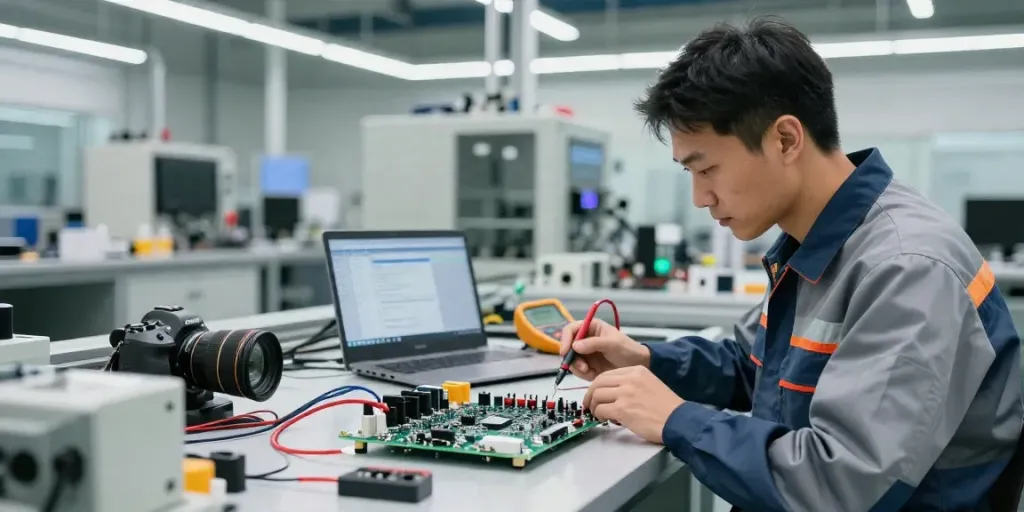
Understanding Industrial Power Connectors
Industrial power connectors serve as the backbone of electrical systems in various sectors, providing safe and reliable connections for equipment that operates in demanding environments. These connectors are engineered to handle higher voltages and currents compared to standard household plugs and sockets, ensuring optimal performance in industrial settings. For businesses seeking reliable solutions, Industrial power connectors are crucial, as they come with specific certifications and standards to ensure compliance with safety regulations.
What are Industrial Power Connectors?
Industrial power connectors are specialized connectors designed for the safe distribution of electrical power in industrial environments. These connectors facilitate the connection between power sources and machinery or equipment, ensuring that electrical systems function smoothly without interruptions. They are built to withstand harsh conditions and provide stable connections that can handle fluctuating loads.
Types of Industrial Connectors Used Today
There are various types of industrial power connectors, each designed for specific applications and environments. Some of the most common types include:
- IEC Connectors: Commonly used in Europe and other regions, IEC connectors meet international safety standards and are available in different configurations for various applications.
- CEE Connectors: CEE connectors, often recognized by their blue or red coloring, are designed for high voltage applications and are typically used in outdoor or industrial settings.
- Pin and Sleeve Connectors: These connectors provide a robust connection and are resistant to environmental factors such as moisture, making them ideal for heavy-duty applications.
- Industrial Circular Connectors: Used for power and signal transmission, these connectors are prevalent in automated machinery and equipment.
Applications in Various Industries
Industrial power connectors find applications across several industries, including:
- Manufacturing: Used to connect machinery and equipment, ensuring efficient operations and power delivery.
- Automotive: Employed in vehicle assembly lines and electric vehicle charging stations.
- Telecommunications: Provides power to network equipment in data centers and repeaters.
- Mining and Construction: Utilized in heavy equipment and machinery to ensure continuous power supply under challenging conditions.
Key Features and Benefits of Industrial Power Connectors
Safety and Compliance Standards
Safety is paramount in any industrial operation. Industrial power connectors are designed to meet strict safety and compliance standards, reducing the risk of electrical hazards. These connectors are often certified by international organizations such as UL and CE, guaranteeing their reliability in critical settings. In addition, they come equipped with features such as locking mechanisms to prevent accidental disconnections.
Durability and Performance Characteristics
One of the distinguishing features of industrial power connectors is their durability. Made from high-quality materials, these connectors are resistant to shock, vibration, and environmental factors including dust and moisture. This resilience ensures long-term performance and reduces the need for frequent replacements or repairs, ultimately leading to cost savings for businesses.
Customization Options for Specific Needs
Many manufacturers, including LANZ Electronics, offer customization options for industrial power connectors to meet specific customer needs. This can include adjustments in size, shape, and electrical specifications. Such flexibility allows companies to integrate connectors seamlessly into their existing systems, enhancing overall efficiency and effectiveness.
Installation Best Practices for Industrial Power Connectors
Tools Required for Installation
Proper installation of industrial power connectors is critical to ensure safety and functionality. Commonly needed tools include:
- Insulated screwdrivers
- Wire strippers
- Multimeter for testing connections
- Cable cutters
- Torque wrench for secure fittings
Step-by-Step Installation Guide
To install industrial power connectors safely, follow these steps:
- Turn Off Power: Ensure the power supply is completely disconnected before beginning the installation process.
- Prepare Cables: Strip the insulation from the wires according to the connector specifications.
- Connect Wires: Securely attach wires to the connector terminals, ensuring correct polarity.
- Check Connections: Use a multimeter to verify connection integrity before sealing the connector.
- Seal and Secure: Close the connector casing, ensuring it is properly sealed to prevent moisture ingress.
Common Mistakes to Avoid
When installing industrial power connectors, it's crucial to avoid these common mistakes:
- Not verifying the power is off before installation.
- Improperly stripping wires, leading to inadequate connections.
- Failing to check for correct polarity, which can damage equipment.
- Neglecting to secure connectors fully, risking disconnection during use.
Maintenance and Troubleshooting Tips
Regular Maintenance Practices
To ensure the longevity of industrial power connectors, regular maintenance practices should be implemented:
- Inspect connectors regularly for signs of wear or damage.
- Keep connectors clean and free from dust and debris.
- Check connections for tightness and integrity periodically.
Diagnosing Common Issues
Common issues with industrial power connectors can include:
- Intermittent power loss: This may indicate loose connections or damaged cables.
- Overheating connectors: This could result from poor connections or excessive load.
- Physical damage: Frayed wires or cracked casings may compromise safety and functionality.
When to Seek Professional Assistance
If issues persist despite regular maintenance, or if you encounter complex problems such as intermittent power loss or overheating connections, it may be time to seek professional assistance. A qualified electrician can help diagnose issues accurately and ensure that all connections meet safety requirements.
Future Trends in Industrial Power Connectors
Emerging Technologies and Innovations
As industries evolve, so do the technologies used in industrial power connectors. Future innovations may include:
- Smart connectors equipped with diagnostic capabilities to monitor power usage and detect faults.
- Increased integration of wireless technology for remote monitoring and control.
- Enhanced materials that provide even greater durability and resistance to environmental factors.
Industry Predictions for 2026 and Beyond
Industry experts predict a growing demand for more efficient and sustainable power solutions. As the focus on renewable energy increases, industrial power connectors will need to adapt to facilitate connections for solar panels, wind turbines, and electric vehicles. The shift towards automation and Industry 4.0 will also drive advancements in connector technology.
Preparing for Changes in Regulations
With the ongoing evolution of technology and increasing safety concerns, new regulations regarding industrial power connectors are likely to emerge. Staying updated on these changes will be crucial for manufacturers and users alike, ensuring compliance and safety in all applications.