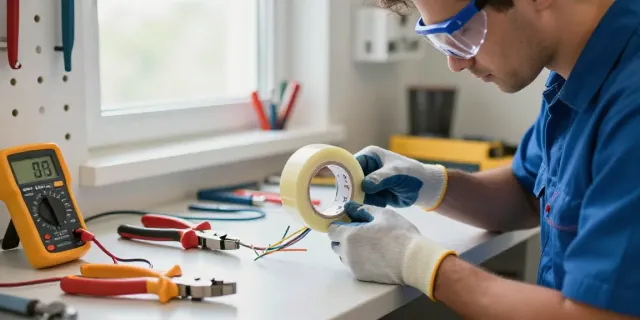
Understanding the Benefits of Link Super33
When it comes to electrical projects, choosing the right materials is crucial for safety and reliability. One standout option gaining traction in the marketplace is Link Super33. This premium vinyl electrical tape offers a host of benefits that set it apart in terms of durability, versatility, and performance. As environments and applications continue to evolve, understanding these benefits becomes increasingly important for both professionals and DIY enthusiasts.
What Makes Link Super33 Unique?
Link Super33 is distinguished by its robust construction and superior adhesive properties. Comprising a nominal 7-mil thick vinyl material, it excels in providing electrical insulation while resisting moisture, abrasions, and UV rays. Its flexibility allows for easy application across varied surfaces, making it ideal for both intricate wiring jobs and large-scale projects. Unlike many standard electrical tapes, Link Super33 boasts exceptional performance in extreme conditions—whether it’s high humidity or intense heat, this tape remains effective.
Comparing Link Super33 with Other Electrical Tapes
When comparing Link Super33 to other popular electrical tapes, such as 3M's Super 88, it's vital to consider factors like thickness, adhesive longevity, and weather resistance. While Super 88 offers a higher temperature rating, Link Super33 outshines in usability across a wider range of conditions. Additionally, its affordability provides a compelling advantage for budget-conscious users without sacrificing quality. In scenarios where performance is paramount, professionals frequently prefer Link Super33 for its reliable insulation properties.
Best Practices for Using Link Super33 Effectively
To fully realize the advantages of Link Super33, it is essential to employ effective application techniques. Proper usage not only ensures a secure seal but also enhances the longevity of the tape in various applications. Whether you’re a seasoned electrician or a weekend warrior, following best practices can mitigate common issues faced during electrical work.
Preparation and Setup for Optimal Use
Before applying Link Super33, the surface must be clean, dry, and free of debris. This preparation is critical to achieving optimal adhesion. If working outdoors, ensure the temperature is suitable; extreme cold or heat can affect the tape’s performance. Preparing the workspace appropriately reduces the risk of common pitfalls such as bubbling or peeling.
Techniques for Ensuring Strong Adhesion
To ensure a strong bond, start by applying the tape with tension without overstretching it, as this can lead to damage over time. Wrap the tape around the wire or connection, ensuring that each layer overlaps by about half. This technique is crucial for maintaining insulation integrity and preventing moisture ingress. Additionally, consider using heat to enhance the adhesive’s grip in cold environments; a gentle heat source can improve performance dramatically.
Common Mistakes When Applying Electrical Tape
One prevalent mistake is failing to apply enough tension, which can compromise the tape’s effectiveness. Another error involves overlapping the tape too minimally, creating weak spots. It's also vital to avoid exposing the tape to chemicals or extreme weather conditions right after application, as this can impair its durability. Educating users about these pitfalls can significantly enhance their application skills and the tape's performance.
Future Trends in Electrical Tape Technology
The electrical tape industry is on the brink of several innovations that may redefine how we approach electrical insulation and protection. As technology progresses, keeping an eye on these trends will help users make informed decisions when selecting materials for future projects.
Innovations Expected by 2026
By 2026, major advancements in electrical tape materials are anticipated, including increased use of smart materials that can monitor their own integrity and functionality. These innovations will provide users with real-time feedback on the tape’s condition, improving safety and reliability in critical applications. Furthermore, the integration of nanotechnology may lead to enhanced properties, including better fire resistance and self-healing capabilities.
Environmental Impact and Sustainability Considerations
As sustainability becomes a pressing global concern, the electrical tape industry is pivoting towards eco-friendly materials. Expect more products made from recyclable components and chemicals that are less harmful to the environment. Companies are investing in sustainable production processes to reduce waste and minimize their carbon footprint, creating a greener future for electrical materials.
The Role of Smart Materials in Electrical Solutions
Smart materials that respond to changes in their environment are expected to find their way into electrical tape technology. These materials can adapt to temperature variations and moisture levels, ensuring optimal performance in diverse conditions. By incorporating smart technologies, manufacturers can enhance not only the functionality of electrical tapes but also safety in applications ranging from construction to automotive industries.
Common Challenges When Working with Electrical Tape
Despite its many advantages, working with electrical tape like Link Super33 does present certain challenges. Understanding these challenges can help users prepare better and apply the tape effectively, which is crucial for achieving long-lasting results.
Dealing with Extreme Weather Conditions
Extreme temperatures can impact the performance of electrical tape. In cold environments, the adhesive may become less effective, while high heat can cause the tape to become overly pliable, reducing its ability to maintain a secure bond. Users must take these conditions into account and consider tape options specifically designed for extreme weather or apply additional protective measures.
Avoiding Electrical Risks While Taping
Electrical safety is paramount when using any form of tape. Proper insulation is crucial to prevent electrical shocks and short circuits. Users should always ensure that the electrical source is turned off before applying tape and check for any signs of damage to wires before sealing them. Taking these precautions can minimize risks and lead to safer applications.
Assessing Tape Longevity in Various Environments
Not all environments are created equal when it comes to tape durability. Factors such as humidity, exposure to sunlight, and chemical interactions can significantly affect the longevity of electrical tape. Regular assessments of the tape’s condition and replacing it when necessary ensures ongoing reliability in electrical applications.
Frequently Asked Questions about Link Super33
How does Link Super33 perform in wet conditions?
Link Super33 is designed to remain effective in wet conditions, providing excellent moisture resistance. However, for prolonged exposure, it’s advisable to choose tapes specifically rated for underwater use.
Can Link Super33 be used for outdoor applications?
Yes, Link Super33 is suitable for outdoor applications, thanks to its UV resistance and ability to withstand varying weather conditions.
What is the maximum voltage Link Super33 can handle?
Link Super33 can handle up to 600 volts, making it suitable for most residential and commercial electrical projects.
Is Link Super33 safe for high-temperature applications?
Link Super33 is moderate in high-temperature resistance. For applications exceeding 175°F (80°C), consider using specialized high-temperature electrical tapes.
Where can I purchase Link Super33?
Link Super33 is widely available at hardware stores, electrical supply shops, and online retailers. It’s best to compare options to ensure you’re getting the best price and quality.