Understanding Water Treatment Equipment
In today's rapidly evolving industrial landscape, ensuring clean, safe water is paramount for operational success and environmental compliance. Water treatment equipment plays a crucial role in filtering and purifying water for various applications. From industrial manufacturing to municipal water supply, the right equipment can significantly enhance productivity while adhering to stringent environmental standards. As a Water Treatment Equipment Supplier, we at QILEE Group strive to provide exceptional technologies and support to meet the diverse needs of our clients.
What is Water Treatment Equipment?
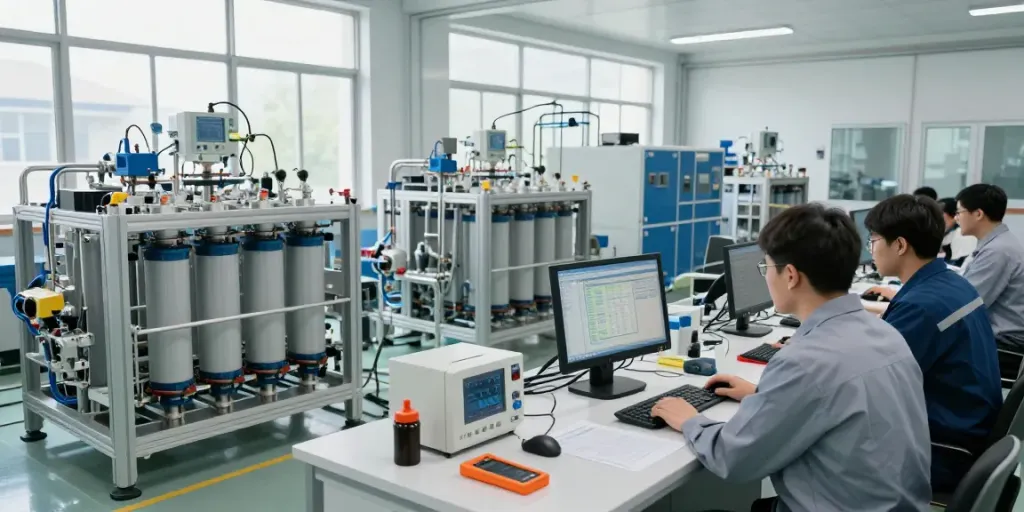
Water treatment equipment encompasses a wide array of technologies and processes designed to improve water quality by removing impurities, contaminants, and harmful substances. This equipment is essential in various industries, including chemical manufacturing, food production, textile processing, and municipal services. The primary goal of these systems is to ensure that the water used is safe, efficient, and compliant with health and environmental regulations.
Types of Equipment Available
Water treatment equipment varies significantly based on the specific application and contaminants present. Some of the most common types include:
- Filtration Systems: Used to remove suspended solids and particulates.
- Membrane Systems: Such as reverse osmosis and ultrafiltration to separate contaminants at the molecular level.
- Disinfection Units: Utilizing UV light or chemical methods to eliminate pathogens.
- Integrated Chemical Dosing Systems: Automating precise chemical applications for water treatment processes.
Key Features to Consider
When selecting water treatment equipment, several key features should be considered to ensure optimal performance and efficiency:
- Capacity: The volume of water that can be processed within a specific time frame.
- Energy Efficiency: Equipment that minimizes energy consumption while maintaining performance.
- Size and Footprint: The physical space required for installation and operation.
- Maintenance Requirements: Ease of upkeep and availability of service support.
Why Choose a Reliable Water Treatment Equipment Supplier?
Choosing the right water treatment equipment supplier is critical to the success of any water treatment project. A reliable supplier not only provides high-quality products but also offers significant insights into system design and implementation.
Benefits of Working with Professionals
Engaging with experienced professionals in the field of water treatment ensures that companies can leverage the best technologies and practices available. This collaboration can lead to:
- Expert Consultation: Tailored advice on equipment selection and system configuration based on unique requirements.
- Comprehensive Support: Assistance through the entire project lifecycle, from design to installation and maintenance.
- Regulatory Compliance: Guidance on meeting local environmental regulations and industry standards.
Evaluating Supplier Credentials
When selecting a water treatment equipment supplier, it is essential to evaluate their credentials and experience in the industry. Look for:
- Certifications: ISO or other relevant industry certifications that indicate quality assurance.
- Client References: Testimonials from previous clients to assess reliability and performance.
- Technical Expertise: The supplier's knowledge of advanced technologies and their applications in various contexts.
Customer Support and Service
Robust customer support is vital for the successful operation of water treatment systems. Key aspects to consider include:
- Availability of Technical Support: Accessible support teams that can assist in troubleshooting and maintenance.
- Training Programs: Comprehensive training for staff on operating equipment efficiently and safely.
- After-Sales Service: Ongoing assistance and spare parts availability to minimize downtime.
Key Industries for Modular Water Treatment Solutions
Modular water treatment solutions are increasingly being adopted across various sectors due to their flexibility and efficiency. These systems can be customized to meet specific operational demands and environmental compliance.
Applications in Chemical and Food Industries
In the chemical and food industries, the need for high-quality water is critical. Applications include:
- Cooling and Boiler Feedwater: Ensuring that water used in industrial processes meets purity standards to prevent equipment damage.
- Product Quality Enhancements: Using treated water to maintain quality control in food production and chemical processes.
Water Treatment in Municipal Projects
Municipalities worldwide face the challenge of providing safe drinking water. Modular treatment systems offer a viable solution, allowing for:
- Scalability: Systems that can be expanded based on population growth or increased demand.
- Rapid Deployment: Quick installation to address urgent water quality issues.
Addressing Environmental Regulations
Environmental regulations are continually evolving, requiring industries to adopt more stringent water quality standards. Modular systems offer:
- Adaptability: Custom solutions that can be tailored to meet specific regulatory requirements.
- Efficiency: Reduced resource consumption and waste generation through optimized processes.
Integrated Chemical Process Systems Explained
One of the standout offerings in the modern water treatment arsenal is the integrated chemical process system. This advanced solution streamlines the chemical dosing process for comprehensive water treatment.
Overview of Integrated Systems
Integrated chemical process systems are designed to deliver precise chemical dosing consistently. These systems utilize advanced sensor technology and intelligent control algorithms to:
- Monitor Water Quality: Real-time detection of contaminant levels.
- Automate Chemical Dosing: Adjustments made automatically to maintain optimal treatment levels.
Advantages of Automation in Chemical Dosing
Automation within these systems offers numerous benefits, including:
- Increased Efficiency: Reduction of chemical waste and improved treatment outcomes.
- Enhanced Safety: Lower risks of human error during the chemical handling process.
Case Studies: Successful Implementations
Real-world examples illustrate the impact of integrated systems. For instance, a chemical manufacturing plant utilized these solutions to:
- Reduce Chemical Usage: By 30%, significantly cutting operational costs.
- Meet Regulatory Standards: Achieving compliance with environmental regulations swiftly.
Future Trends in Water Treatment Equipment
The water treatment industry is on the brink of significant transformations driven by technological advancements and the imperative for sustainability. Key trends for 2026 and beyond include:
Emerging Technologies for 2026 and Beyond
Innovations in water treatment technologies are set to revolutionize the industry. Notable developments include:
- Decentralized Systems: The rise of smaller, localized treatment solutions that can be deployed in remote areas.
- Artificial Intelligence: Leveraging AI for predictive maintenance and optimizing treatment processes.
Sustainability in Water Treatment Solutions
Environmental sustainability is increasingly influencing water treatment strategies. Companies are focusing on:
- Water Reuse: Implementing systems that treat wastewater for reuse in non-potable applications.
- Energy Recovery: Utilizing technologies that capture energy from waste streams, reducing overall energy consumption.
Innovations in Online Water Analyzers
Online water analyzers are becoming integral to real-time monitoring, offering advantages such as:
- Continuous Monitoring: Ensuring water quality standards are consistently met.
- Immediate Alerts: Prompt notifications of any deviations from acceptable limits, facilitating timely interventions.
What Challenges Can You Expect?
While advancements present numerous opportunities, challenges such as regulatory compliance, operational costs, and technology adoption remain critical considerations. Companies must prepare for:
- Resistance to Change: Employees might be hesitant to adopt new technologies.
- Investment Costs: Initial investments in new systems can be substantial, requiring careful financial planning.